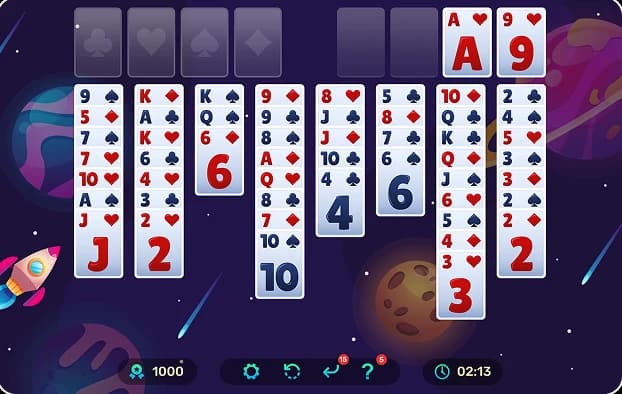
FreeCell Games for the Brain: Cognitive Benefits & Mental Workout

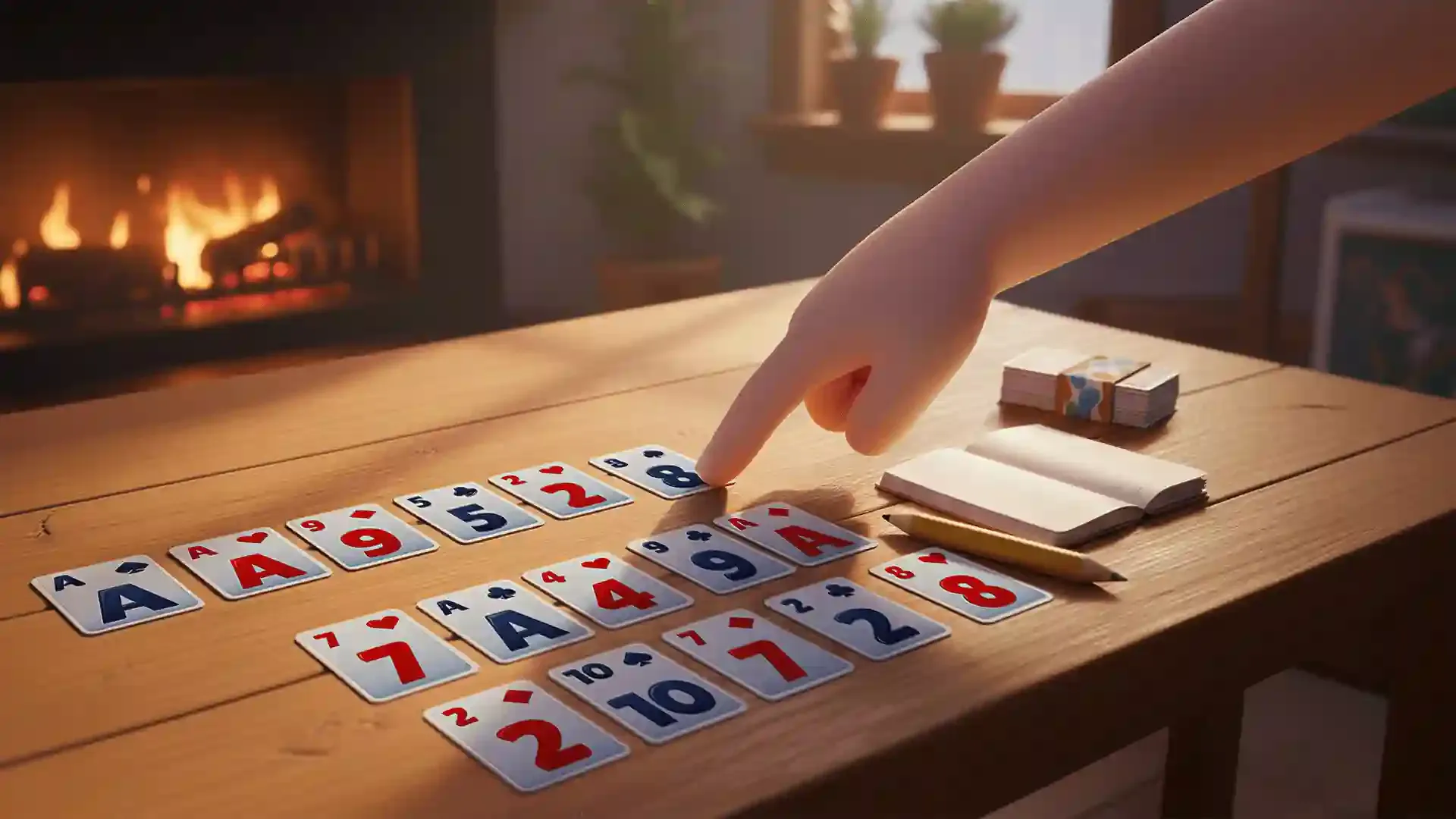
Yes, freecell games for the brain are highly beneficial because nearly all deals are solvable through strategic foresight, exercising working memory, focus, and problem-solving. Research associates strategy games with cognitive maintenance rather than serving as a medical cure.
Playing FreeCell games for the brain delivers far more than simple card shuffling. It provides a targeted mental workout that engages your prefrontal cortex, the center of decision-making and planning. That moment when a jammed tableau unravels after minutes of strategic calculation releases a rewarding dopamine boost.
Unlike mindless mobile games, FreeCell forces you to think three moves ahead, spot patterns, and stay patient under pressure.
Regular play sharpens focus, boosts memory recall (tracking buried Aces), and builds problem-solving grit. Studies link these strategy card games to slower cognitive decline in adults. Perfect 10-minute daily habit that feels like play but rewires your brain.
Table of contents
- What Cognitive Skills Does FreeCell Train?
- FreeCell vs. Other Brain Games (Sudoku, Klondike & Spider)
- The History of FreeCell: From PLATO to Windows 95
- What Does Cognitive Research Say?
- What Does Research Say About Card Strategy Games?
- FreeCell stands out as a brain game due to its full card visibility.
- FreeCell Benefits Children and Adolescents
- FreeCell vs. Other Brain Games: Which is Better?
- How to Get Brain Benefits by Playing FreeCell
- Strategy Tips for Brain Training
- Conclusion
What Cognitive Skills Does FreeCell Train?
Working Memory Capacity
It is necessary to remember all the cards that have been buried and also imagine all possible future sequences. It will definitely increase a person's working memory capabilities because he/she will be able to store and process complex information better.
Executive Functioning & Planning
In a very similar way to playing chess, a player has to think four or five moves ahead to make sure the puzzle does not end up in a deadlock. Consequently, it strengthens a person's executive functions.
Sustained Attention & Focus
Resolving a certain number of FreeCell puzzles demands increased focus and a sharp eye for detail. Therefore, individuals who play FreeCell puzzles develop their minds to stay focused and ignore distractions around them.
Neuroplasticity & Problem-Solving
Every new deal is a new puzzle that stimulates thinking and experimenting with different solutions.
FreeCell vs. Other Brain Games (Sudoku, Klondike & Spider)
| Game | Main Brain Skills | Difficulty | Luck Factor | Best For |
|---|---|---|---|---|
| FreeCell | Strategy, memory, foresight | Moderate to High | Zero (Pure Skill) | Deep logic and planning |
| Klondike Solitaire | Pattern matching, adaptability | Easy to Moderate | High (Draw dependent) | Casual, relaxing play |
| Spider Solitaire | Long-term planning, sequencing | High | Moderate | Advanced patience challenges |
| Sudoku | Pure numerical logic, deduction | Variable | Zero | Mathematical reasoning |
Games like FreeCell that involve low elements of luck allow your brain to receive definitive cause-and-effect messages from your decisions. You cannot use the fact that the deck was shuffled badly as an excuse since FreeCell forces you to assume full responsibility and sharpen your thinking skills.
The History of FreeCell: From PLATO to Windows 95
FreeCell originated in 1978, when Paul Alfille developed a game of this nature for the PLATO computer system, which was deeply influenced by an old card game known as Eight Off. It became accessible to everyone when Microsoft included it in the Win32s software in 1992, and later in the popular operating system Windows 95.
What Does Cognitive Research Say?
Science has shown that playing complicated strategic card games helps develop "cognitive reserve," which keeps your mind sharp. Analytical games are great for improving brain health, but you should understand that playing games is just one healthy activity, along with exercising and sleeping well, among others.
What Does Research Say About Card Strategy Games?

Cognitive research highlights that games requiring complete visibility and open information actively build cognitive reserve, which helps delay age-related decline.
FreeCell challenges working memory by forcing players to visualize prospective move sequences, hold buried cards in mind, and maintain sustained focus under strategic constraints. Understanding how to play freecell involves transferring all cards onto the foundation piles in ascending order from Ace to King by suit, using the four open free cells as temporary holding spots to clear jammed paths.
Logical Thinking and Problem Solving
Unlike casual luck-based games, FreeCell solitaire for the brain necessitates strategy. To disentangle the tableau, players must examine their moves, predict consequences, and use reasoning. This improves problem-solving abilities and promotes critical thinking. The more you play, the better you will get and the more you will win FreeCell Games.
Stress Reduction and Mental Health Benefits
Another benefit of FreeCell is its relaxing effect. For many players, shuffling and arranging cards creates a sense of order and control. This repetitious yet enjoyable routine can reduce stress, boost awareness, and promote general mental health.
FreeCell stands out as a brain game due to its full card visibility.

Unlike other solitaire variations, FreeCell shows all cards face up. Because of this transparency, players must prepare and think ahead of time, applying a smart freecell strategy that relies on foresight and pattern identification skills.
Use of Free Cells and Executive Function
The "free cells" element, which distinguishes the game, adds another depth of difficulty. Managing these areas necessitates planning, prioritisation, and executive decision-making, all of which are essential mental talents.
Low Luck, High Strategy
When it comes to brain games, FreeCell stands out since the outcomes are determined by strategy rather than luck. Every action requires strategic decision-making, which keeps the FreeCell brain active, but always remember you can’t win the #11982 FreeCell Games because it is Unwinnable, no matter how great you are in FreeCell.
FreeCell Benefits Children and Adolescents
Young players can enhance their logical reasoning, patience, and discipline. FreeCell teaches students that planning is more effective than rushing. If you're exploring other best card games for kids that build memory and focus, there are many age-friendly options designed to strengthen cognitive skills through play.
Adults
For working professionals, FreeCell provides a stress-relieving break while still stimulating the mind. It sharpens focus and provides a quick break from hectic activities.
Older adults and seniors
FreeCell solitaire games for the brain may assist older adults in preserving cognitive function and avoiding mental deterioration. Regular play promotes memory, logic, and sustained attention.
Because of its strategic yet relaxing nature, FreeCell is often included among popular old People Card Games that help seniors stay mentally active while enjoying a calm and engaging experience.
FreeCell vs. Other Brain Games: Which is Better?

FreeCell stands out among brain games because it relies more on skill than luck. Every move tests your logic, memory, and attention.
If you enjoy strategy-focused challenges, try FreeCell Solitaire online to experience how planning and patience can sharpen your thinking.
FreeCell versus Solitaire / Klondike
Compared to standard Solitaire, FreeCell brain games require more skill than luck. The visibility of all cards necessitates more detailed preparation and improved pattern detection. This pattern-tracking demand is closely related to what makes memory power games for kids so developmentally valuable, both formats force young minds to hold multiple pieces of information at once before making a move.
FreeCell Versus Puzzles (Sudoku, Chess)
Sudoku and chess are popular brain games, but FreeCell combines memory, strategy, and patience in a unique way. While Sudoku emphasises logic and chess emphasises strategic forethought, FreeCell mixes the two in a more accessible style.
How to Get Brain Benefits by Playing FreeCell

Playing FreeCell games for the brain regularly can improve focus, memory, and problem-solving skills. It’s a relaxing yet powerful mental workout.
To make it more effective, practice different FreeCell Solitaire Variations Online and track your progress for continuous cognitive improvement.
Play regularly, not casually
Consistency is essential. Set aside time to play FreeCell games for the brain to achieve maximum cognitive benefits.
Challenge Yourself
Once you know how to set up freecell and understand the board layout, challenge yourself by seeking harder shuffles or solving deals in fewer total moves. This keeps the brain from going into autopilot.
Avoid rushing
Patience is necessary. One of the most significant benefits of FreeCell is that it allows you to plan ahead of time and examine each move before acting.
Use digital tools
Online platforms frequently contain tools such as "undo" and progress tracking. Use them to analyse your decisions and learn from your failures, making each session a true mental challenge.
Strategy Tips for Brain Training
Add these actionable steps to turn passive reading into expert advice:
- Pause for 30 Seconds Before the First Move: Scan the entire tableau to spot buried Aces and low-rank cards before moving anything.
- Protect Your Free Cells: Treat the four free cells as temporary emergency spaces rather than long-term storage to practice impulse control.
- Analyze Missteps with Undo Tools: Use the undo feature in digital versions to trace back where a tactical error occurred, building stronger analytical habits.
Conclusion
FreeCell games for the brain provide more than just entertainment. They improve memory, focus, problem-solving skills, and provide stress reduction. FreeCell brain benefits apply to all age groups, including students, professionals, and seniors.
So, the next time you play, remember that you are not only passing the time; you are also exercising your intellect. Start Playing FreeCell immediately and make it a part of your mental training regimen!
FAQs
- Yes. Playing FreeCell brain games improves memory, focus, and logical thinking while lowering stress.
- Absolutely. They blend strategy and focus to provide cognitive benefits for people of all ages.
- They are FreeCell variations designed to improve mental fitness, attentiveness, and problem-solving skills.
- Yes. Regular gaming can improve working memory and recollection, particularly when managing several tasks.
- Yes. Because FreeCell is less luck-based and more strategy-driven, it requires more preparation and foresight than traditional Solitaire.
- Yes. Many players find the game relaxing and peaceful, making it an excellent stress-relieving exercise.
- Definitely. FreeCell solitaire games for the brain can assist senior citizens in preserving cognitive skills, increasing memory, and delaying mental deterioration.
- Consistency is more crucial than duration. Even brief daily sessions of FreeCell can help enhance focus and memory over time.
- Yes. Every game needs logical thinking, analysing many possibilities, and making smart decisions—all of which improve problem-solving ability.
- Both provide equal cognitive benefits, but digital versions frequently provide features such as undo or statistics to help you track progress and refine your approach.
FreeCell.game vs Other FreeCell Websites: Best Comparison
FreeCell.game vs other FreeCell websites compared by speed, ads, mobile support, solvers, and numbered deals. Discover the best FreeCell site online.

Card Games vs Board Games: Which Trains Your Brain Better ?
Discover whether card games or board games provide better brain training for memory, focus, strategy, and problem-solving.
Why More People Are Switching From Offline FreeCell to Online Play
Find out why players are moving from classic desktop FreeCell to browser-based play and what online versions offer today.
Is FreeCell More Popular in the US or the UK? What the Data Says
Compare FreeCell popularity in the US and UK using search volume, per-capita data, and player interest.

Is Every Game of FreeCell Winnable? Strategy & Tips
Is every game of FreeCell winnable? Learn the truth behind FreeCell solvability, why most games can be won, and what makes some deals impossible.